


Discover why Sajjangarh Palace in Udaipur is famously called the Monsoon Palace. Learn about its royal history, architecture, best time to visit, ticket details, and the breathtaking sunset views that make it Rajasthan’s most romantic spot.
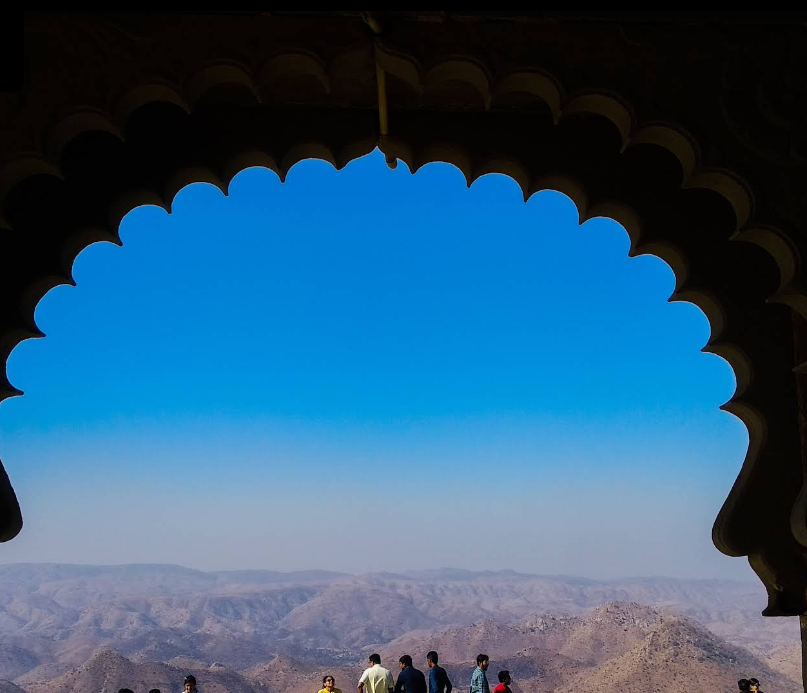
When Clouds Meet Royalty
High above Udaipur’s skyline, perched on the Bansdara Hills of the Aravalli Range, stands the magnificent Sajjangarh Palace, more fondly known as the Monsoon Palace.
This white marble wonder was built not for defense or luxury — but for watching clouds drift over the royal city.
From a distance, it looks like a floating dream above the city — glowing golden during sunsets and wrapped in mist during monsoon. But behind this breathtaking beauty lies a story of royal vision, love for nature, and deep spiritual meaning.
The Vision of Maharana Sajjan Singh

The palace was commissioned in 1884 by Maharana Sajjan Singh, one of the most enlightened rulers of the Mewar dynasty.
He was known not just for his governance but also for his passion for architecture, weather, and astronomy.
Originally, Sajjan Singh planned to use the palace as an astronomical observatory. From this high vantage point — nearly 3100 feet above sea level — he wanted to study monsoon clouds and track weather patterns.
Unfortunately, his untimely death at the age of just 26 left the observatory incomplete. Later, his successor Maharana Fateh Singh converted it into a monsoon retreat — a summer escape for the royal family.
That’s how it earned the name — “Monsoon Palace.”
The Meaning Behind the Name: “Palace of Clouds”
During monsoon, the palace is surrounded by thick clouds, mist, and rainbows.
From its terraces, you can watch the city disappear under sheets of rain and reappear in silver light — a scene that feels almost unreal.
Locals often call it “Badalon ka Mahal” — the Palace of Clouds — because during July and August, it literally touches the clouds.
🌧️ Standing here during monsoon feels like standing at heaven’s doorstep.
Architecture That Speaks to the Sky
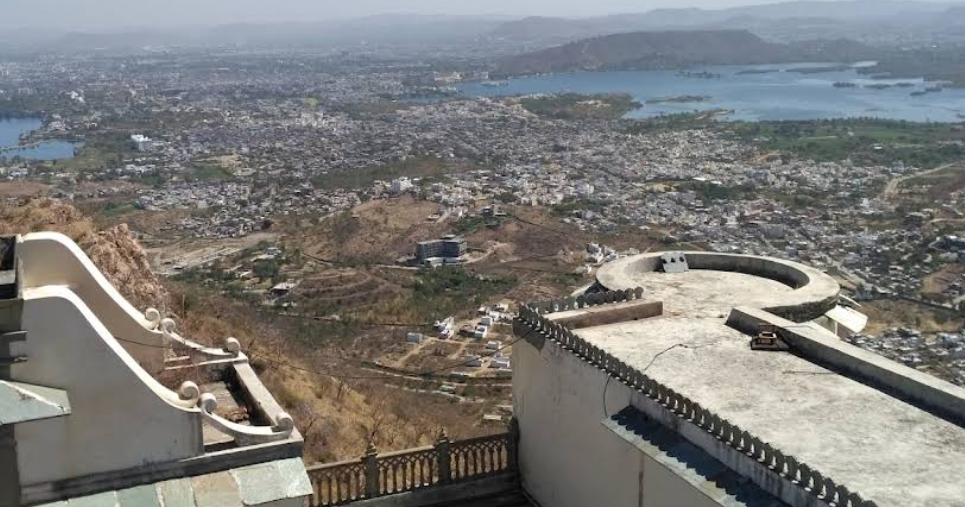
The Monsoon Palace is built entirely from white marble, with delicate Rajput-style domes, jharokhas (balconies), and pillared terraces.
Every corner is designed to capture wind, clouds, and light.
The palace has three levels and numerous rooms, each offering panoramic views of Lake Pichola, Fateh Sagar Lake, and the Aravalli Mountains.
On clear days, you can even see the outline of Chittorgarh Fort, nearly 100 km away.
The View: Where the Sun Melts into the Lake
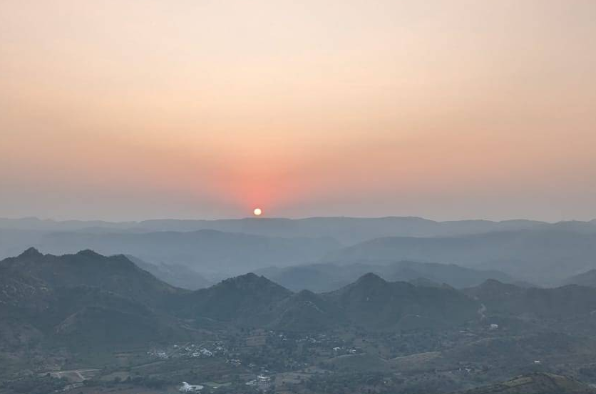
Sunsets here are legendary. As the sun sinks behind the Aravalli hills, its golden rays turn the palace walls orange, and the lakes below sparkle like mirrors.
For photographers, this is heaven. For couples, it’s pure romance.
And for travelers, it’s that one place in Udaipur where you truly understand why the city is called “The Venice of the East.”
Visiting Information
| Details | Information |
|---|---|
| Timings | 9:00 AM – 6:00 PM |
| Entry Fee (Indian) | ₹110 per person |
| Entry Fee (Foreigner) | ₹300 per person |
| Camera Fee | ₹50 (Mobile), ₹100 (Professional) |
| Best Time to Visit | July to September (Monsoon) and October to February (Winter) |
| Location | Bansdara Hills, Sajjangarh Biological Park, Udaipur |
🎟️ Tip: Arrive before 5:30 PM to catch the complete sunset — the guards close the gates right after dusk.
What’s Around Sajjangarh Palace
After exploring the palace, make sure you don’t miss:
-
Sajjangarh Biological Park: A wildlife park located just below the palace, home to tigers, panthers, and peacocks.
-
Aravalli View Point Café: A hidden spot just 2 km downhill — perfect for coffee with panoramic city views.
-
Fateh Sagar Lake: Only 15 minutes away, ideal for boating and evening walks.
Historical Significance
The Monsoon Palace also symbolizes the environmental awareness of ancient rulers.
Maharana Sajjan Singh was among the few kings who valued meteorology. His plan to create a weather observatory in the 19th century shows how progressive Mewar was — a blend of science and spirituality.
Did You Know?
🎬 The James Bond movie “Octopussy” (1983) was partially filmed at the Monsoon Palace.
In the movie, the palace served as the villain’s lair — a stunning testament to its cinematic beauty.
🔗 Internal Link
Read Next: History of Jag Mandir Palace – The Island of Love in Udaipur
🌐 External Source
For official updates and entry details, visit Rajasthan Tourism – Sajjangarh Palace.
Where Heaven Touches Earth
The Monsoon Palace is not just a building — it’s an experience.
It’s where history meets the clouds, where silence speaks louder than words, and where every raindrop carries a royal memory.
So, the next time you’re in Udaipur, don’t just look up at Sajjangarh from below — climb up and let the clouds greet you.
You’ll realize why this marble marvel remains one of India’s most poetic palaces — forever watching over Udaipur from the heavens above.



Leave a Reply